Birthday: April 6, 1928 (Aries)
Born In: Chicago, Illinois, United States
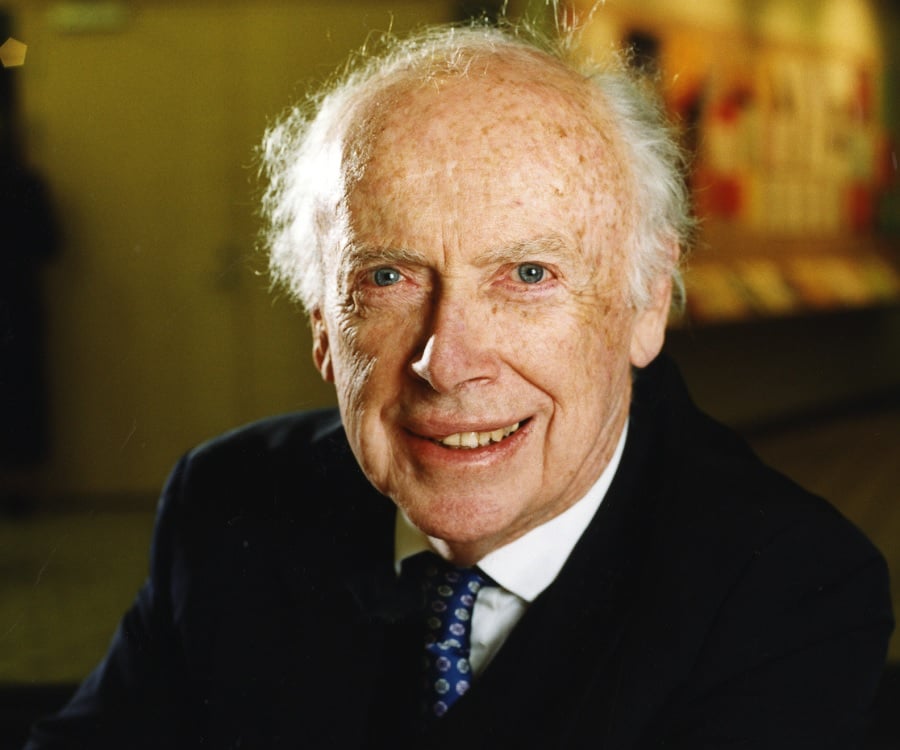
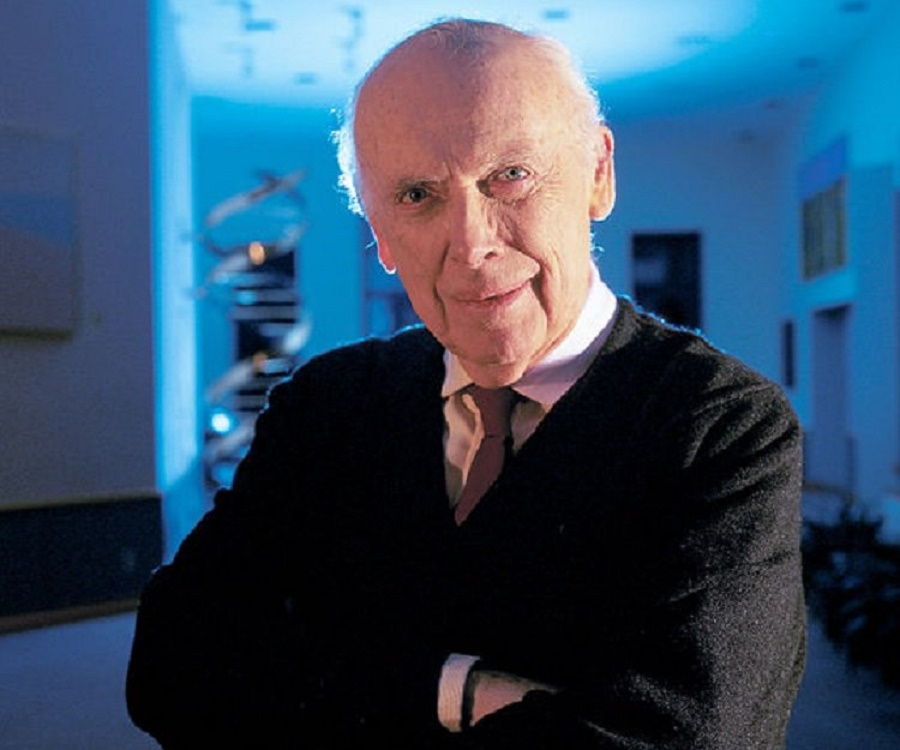
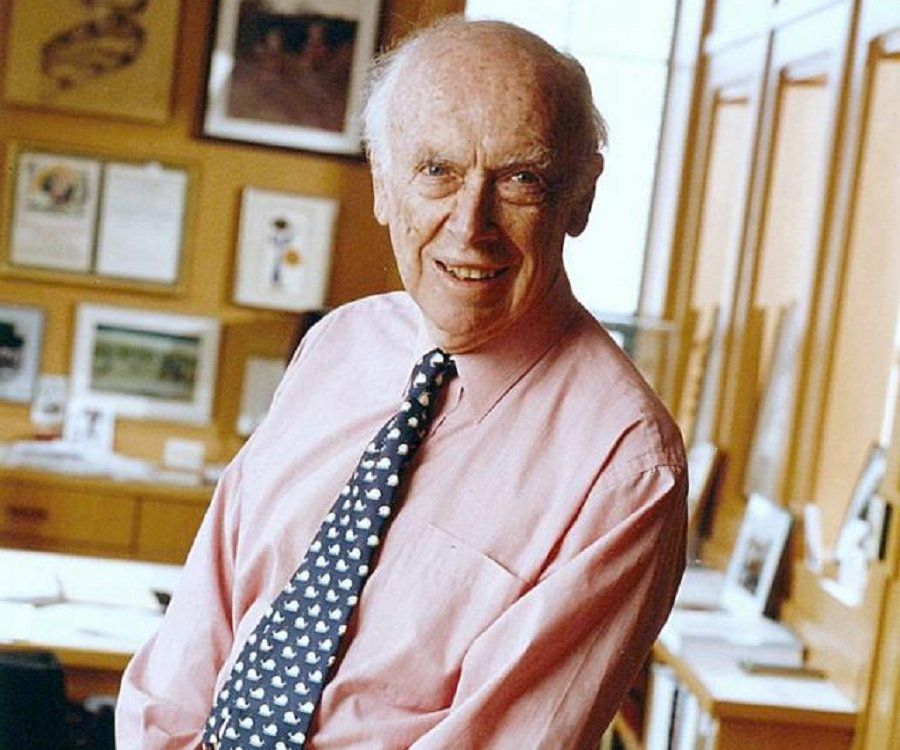
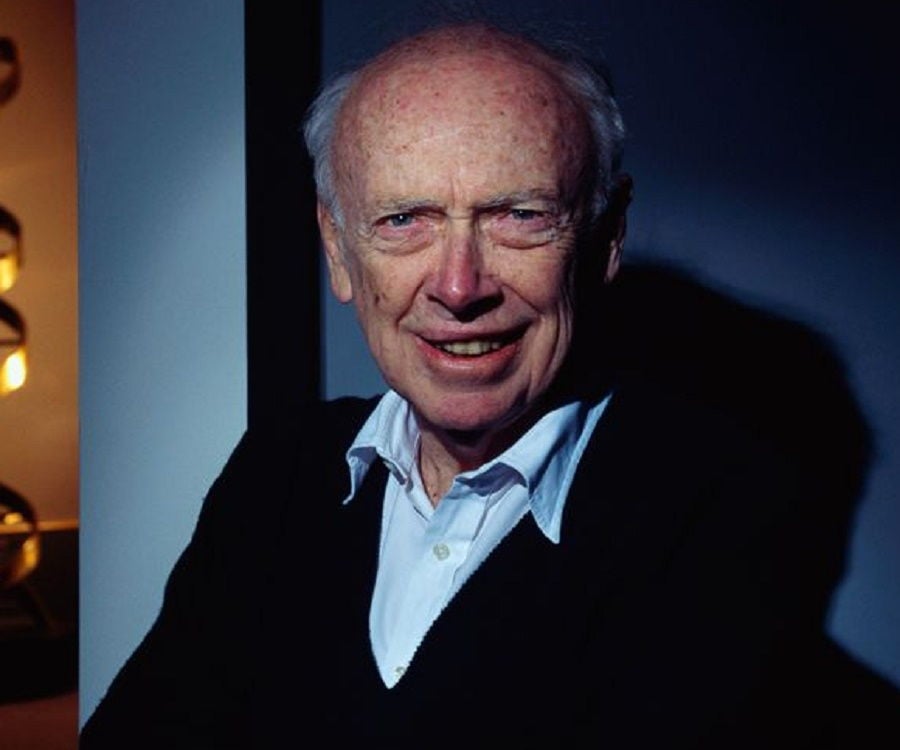
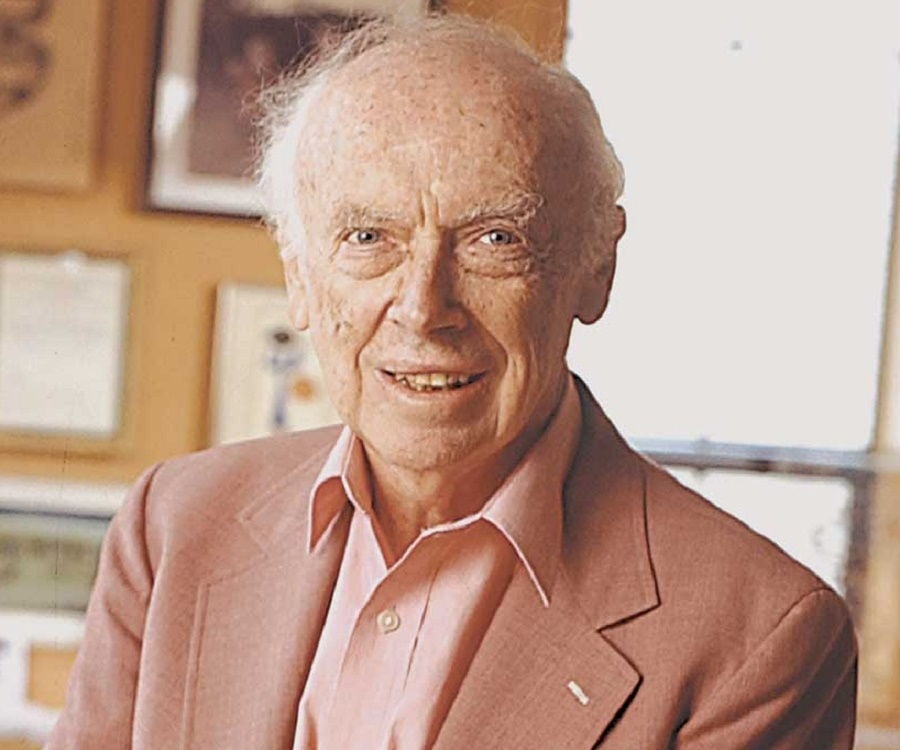
James Dewey Watson was an American molecular biologist, geneticist and zoologist. He was credited for co-discovering the molecular structure of deoxyribonucleic acid (DNA), a substance that is the basis of heredity. His discovery was described by other biologists and Nobel laureates as the most important scientific discovery of the 20th century. He was born in Illinois to James D. Watson and Jean Mitchell. Growing up, James Dewey Watson spent hours bird-watching and decided to major in ornithology but Erwin Schrodinger’s book titled ‘What is Life’ had such a profound impact on him that he chose genetics in the end. He received his B.S. degree from the University of Chicago, and his PhD from Indiana University. He was strongly opposed to the belief that genes were proteins that could replicate and DNA was a simple tetranucleotide that supported the genes. James’ perception, influenced by the discoveries and lectures of that time, was that DNA was indeed the genetic molecule. He finally found success with Francis Crick and Maurice Wilkins, when the trio discovered the double helix structure of the DNA molecule. For this discovery James Dewey Watson, Francis Crick and Maurice Wilkins earned the Nobel Prize for Physiology or Medicine in 1962.
Recommended For You
Also Known As: James Dewey Watson
Died At Age: 97
Spouse/Ex-: Elizabeth Watson
father: James D. Watson
mother: Jean Mitchell
siblings: Elizabeth Jean Watson
children: Duncan James Watson, Rufus Robert Watson
Born Country: United States
Died on: November 6, 2025
place of death: East Northport, New York, United States
Ancestry: British American, Irish American
City: Chicago, Illinois
Grouping of People: Nobel Laureates In Physiology
U.S. State: Illinois
discoveries/inventions: Discovery Of The Structure Of DNA, Which Was Published In 1968
education: Indiana University, University Of Chicago
awards: 1962 - Nobel Prize in Physiology or Medicine
1960 - Albert Lasker Award for Basic Medical Research
2002 - Gairdner Foundation International Award
1977 - Presidential Medal of Freedom
1993 - Copley Medal
1965 - Guggenheim Fellowship for Natural Sciences
US & Canada
1971 - John J. Carty Award for the Advancement of Science
1997 - National Medal of Science for Biological Sciences
Recommended For You
James Dewey Watson was honored with several distinguished awards for his tremendous achievements, including the 1962 Nobel Prize for Physiology or Medicine (with Francis Crick and Maurice Wilkins ), John J. Carty Award (1971), Copley Medal (1993) and the Lomonosov Gold Medal (1994).
James Watson married Elizabeth Lewis in 1968 and together they had two sons, Rufus Robert Watson and Duncan James Watson. Rufus, born in 1970, suffers from schizophrenia.
His memoir, ‘Avoid Boring People: Lessons from a Life in Science’, was published in 2007 and a UK Book Tour was scheduled. However, in an interview he made certain statements on race-and-intelligence that were widely considered insensitive. Following the controversy, he cancelled the rest of the tour.
The 2007 controversy significantly dented Watson’s image and as a result his financial condition became so bad that he had to auction his Nobel Prize medal in 2014. Russian tycoon, Alisher Usmanov, bought it for US $4.1 million and gave the medal back to Watson.
James Watson died on November 6, 2025, at the age of 97, in East Northport, New York.
James Watson was an accomplished ornithologist and published several books on birds, showcasing his passion for wildlife conservation.
He had a keen interest in art and was known to collect and appreciate various forms of artistic expression.
Watson was a talented musician and enjoyed playing the piano in his free time, showcasing his creative side beyond his scientific endeavors.
He was a dedicated mentor and inspired numerous young scientists to pursue their research interests, leaving a positive impact on the scientific community.
Watson had a playful sense of humor and was known for his witty remarks and anecdotes, adding a light-hearted touch to his interactions with others.

How To Cite
People Also Viewed