|
Childhood
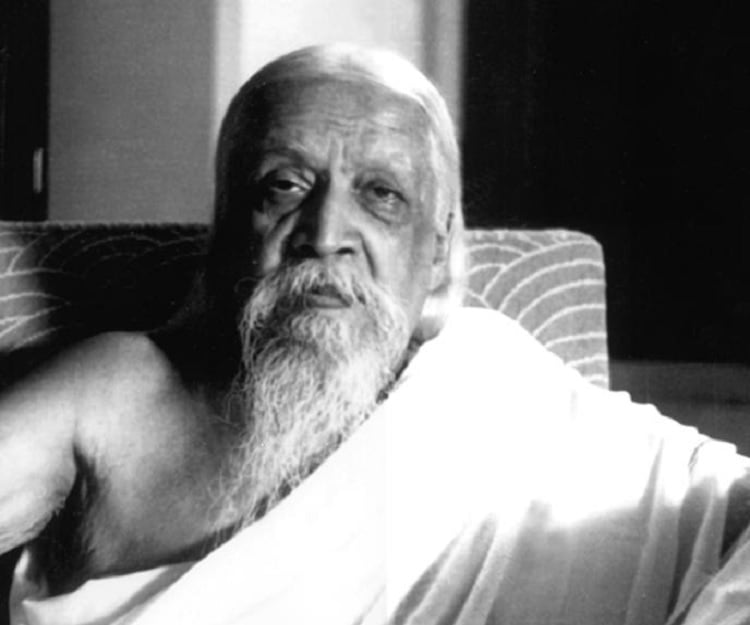
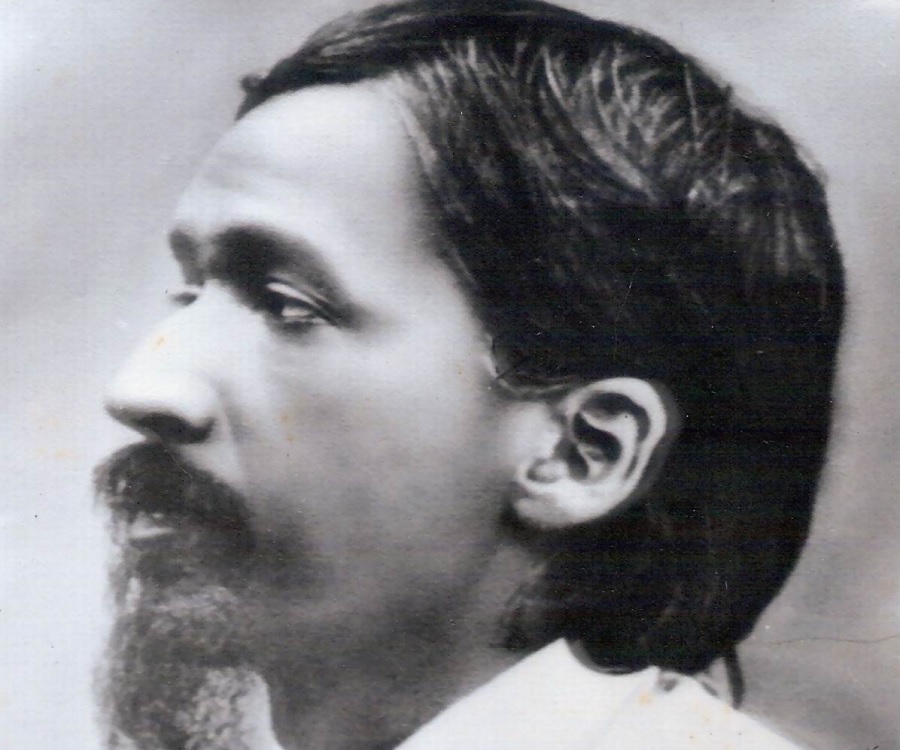
Sri Aurobindowas born as Aurobindo Ghose, to Dr K. D. Ghose and Swarnalata Devi, on 15th August 1872, in Kolkata. Determined to give English education to his children, Dr. Ghose sent Aurobindo and his siblings to Loreto Convent School in Darjeeling. Thereafter, they went to Manchester, England, under the care of a Mr. and Mrs. Drewett. A scholar himself, Mr. Drewett taught Latin to Aurobindo. Gaining profound knowledge in Latin helped Aurobindo get admission in St Paul's School of London. After learning Greek and Latin, he spent the last three years of his schooling at St. Paul's, reading literature, especially English Poetry. Apart from receiving Butterworth Prize for literature and Bedford Prize for history, Aurobindo also gained a scholarship to King's College, in Cambridge University.
Early Life
At Cambridge University, Aurobindo became aware of the plight of India, under the horrifying British rule. Though he had passed all his exams and had just a horse riding test to qualify for British civil service, he turned down the opportunity. Determined to end the domineering British rule, Aurobindo joined a society committed to overthrowing the rule and returned to India, at the age of 21, to participate in the independence struggle. Returning to India in 1893, he worked in the Princely State of Baroda, in the service of the Maharaja and as a professor in the state's college, for the next thirteen years. It was during this phase that he learnt the language and the culture of India.
Sri Aurobindo & Politics
It was in 1906 that Sri Aurobindo gave up his work in Baroda, to become one of the leaders of the Indian Nationalist Movement in Calcutta. Working as an editor in the newspaper Bande Mataram, he brought forward the idea of independence from British. Though Aurobindo was arrested three times, for sedition or treason, he did not let this obstruct his vision for free India. He was also one of the founders of the Jugantar party, an underground revolutionary group. During a convention of Indian nationalists, held in the year 1907, Aurobindo was viewed as a new leader.However, though he had leadership qualities, he preferred to work from the background. Apart from being a fundamental person in India's independence movement, Sri Aurobindo also exploited the spiritual disciplines of Yoga and meditation.
Sri Aurobindo & Spirituality
Sri Aurobindo's spiritual mission commenced when he became a prominent figure in the world of politics. It was, thence, that he came across Lele Maharaj, a teacher of meditation, who taught him the art of controlling his thoughts and beliefs. To the surprise of Lele Maharaj, Aurobindo gained 'Nirvana' within 3 days. Aurobindo was arrested for the possession of weapons in 1908 and was held in jail for a year. It was during this time only that he became conscious about his inner self. He practiced meditation in his cell, read about the ancient principles of yoga and realized the omnipresence of God.
Becoming aware of a divine inner guidance, Sri Aurobindo listened to his inner command, which instructed him to leave politics and work for the renewal of sanatana dharma, 'the eternal religion'. After coming out of the jail, he came in contact with Sister Nivedita, a disciple of Swami Vivekananda. Thereafter, he changed his abode, from Calcutta, to Pondicherry and devoted himself completely towards spiritual disciplines. Sri Aurobindo also became a prolific writer, producing many articles, writings and poetry. Eventually, Pondicherry became a mecca for spiritual seekers.
Sri Aurobindo Ashram
Founded on November 24, 1926, Sri Aurobindo Ashram had only 24 disciples in its early days. In the month of December, the same year, a French woman, Mirra Alfassa, arrived in the ashram. Determined to withdraw from public view, Sri Aurobindo entrusted her with the working of the ashram. Mira was popularly called Mother, and with time, it the ashram came to be known as 'The Mother'. The ashram that started as a small organization grew into a dynamic spiritual community and is operational even in the present times. It has branches in cities all over the world, apart from the downtown area of Pondicherry.
Later Life & Death
Though Sri Aurobindo retreated from his ashram life in November 1926, he spent hours replying to the letters of his disciples and followers. His letters gave him the opportunity to explain about yoga and its applications. Sri Aurobindo brought relief and respite to his followers and released them from their pain, fear and anxiety. Apart from his spiritual mission, he also took interest in the political scenario of the world.
Sri Aurobindo believed that every religion was right in its own way. A poet, philosopher, writer and spiritual master, he offered a new vision of yoga and a spiritual path that could be followed by his disciples. Out of his many works, one of the most praiseworthy is 'The Life Divine', a comprehensive explanation of his integral yoga. Sri Aurobindo died on 5th December 1950, refusing to undergo any surgery or even healing himself on his own. He believed that by leaving for the heaven abode, he would effectively continue his spiritual mission.
List of Books
| ||||
Timeline: | ||||
1872 - Sri Aurobindo was born
1893 - Returned to India, after attaining his education in Cambridge University
1906 - Became theeditor of the newspaper, Bande Mataram
1907 - Was viewed as a new leader, during a convention of Indian nationalists
1908 - Arrested for the possession of weapons
1910 - Withdrew from politics and went to Pondicherry, in French India, in order to concentrate on his inner life and work
1926 - Established of Sri Aurobindo Ashram & retreated from his Ashram life
1950 - Left for the holy abode |