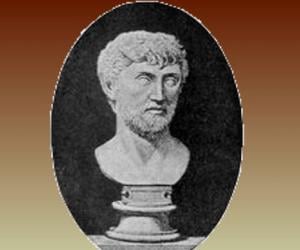
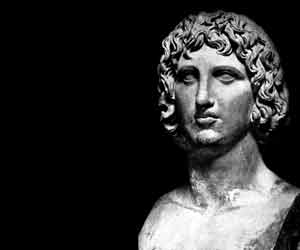
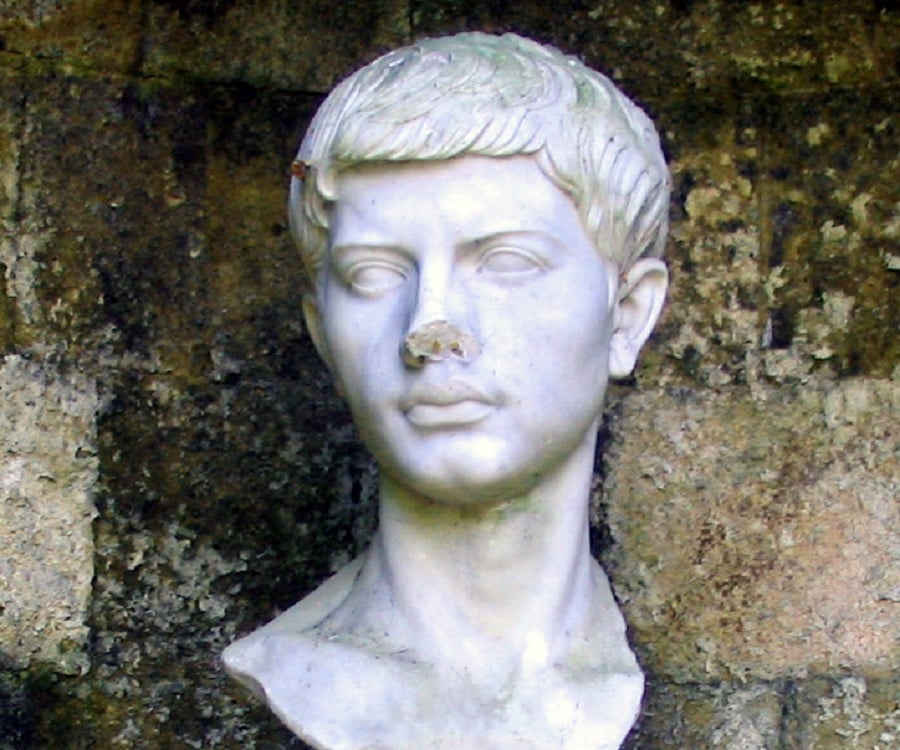
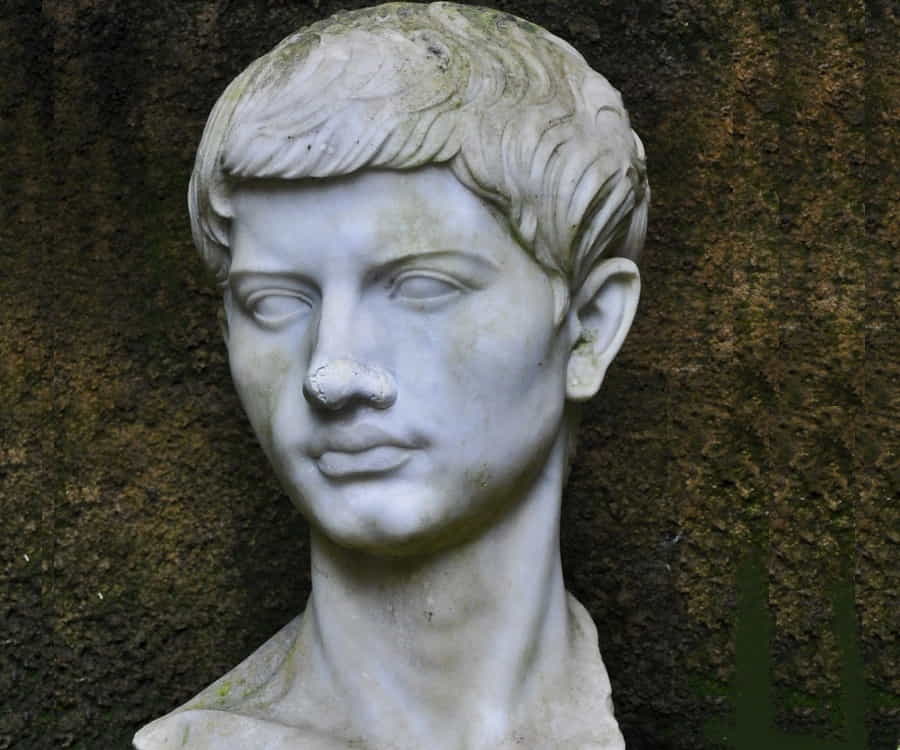
A classical Roman poet, Virgil has continued to impress and influence generations over generations, even decades after his death. To know more about him, read on his brief biography.

Virgil

PrintRecommend This Site
Famous as Poet
Born on 15 October 1970 BC
Born in Andes, Cisalpine Gaul
Died on 21 September 2019 BC
Works & Achievements Wrote significant works including, Eclogues, Georgics and Aeneid.

Publius Vergilius Maro, popularly known as Virgil was a magnificent classical Roman poet. Initially a student of rhetoric, medicine, and astronomy; Virgil soon developed interest in poetry. The works of Virgil has influenced Western literature for two millennia. He is extremely famous for his three chief works; the "Eclogues" (or Bucolics), the "Georgics", and the "Aeneid". Virgil is considered as one of the most impressive poets of Rome. The work of Virgil showered a great impact on Western literature. Also his epic, "Aeneid" can be regarded as a national epic of Rome. Also after the death of Virgil, disregarding his wish to burn his poem, Augustus ordered its publication

Virgil Childhood and Early Life
Virgil was born on October 15, 70 BC to Maro and Maia. Their family was fairly wealthy. According to Virgil’s biographical tradition, he was born in the village of Andes, near Mantua in Cisalpine Gaul. His father was a rich owner of the land. The mother of Virgil nearly belonged to Quintilius Varus, who was of an illustrious family. His father was able to afford good education for his son in various schools in Cremona, Mediolanum, Rome and Naples. Virgil spent first seven years of his life in Mantua and then moved to Cremona. He stayed for almost ten years in Cremona and afterwards headed towards Naples. Being in Naples he studied languages such as Greek and Latin. Later on, he opted to study physics and mathematics in which he became quite skillful. Although initially Virgil studied rhetoric and law, but soon realized his interest in poetry. From Naples he moved finally reaching Rome. Being in Rome, Virgil was immediately noticed by several great men at the court who showcased their great admiration towards him by introducing him to Augustus. However, due to some reason, he left Rome and moved back to Naples. It was here Virgil started writing “Eclogues”. It is said that Virgil took three years to complete the same.   
 
Writing Career
Virgil came out with his first impressive workthe “Eclogues”, which was published in the middle of 30 BC. The work offered an idealized and artificial picture of a world of singing shepherds; it also contained references to contemporary political personalities. “Eclogues” also known as “Bucolics” was basically a dramatic and mythic interpretation of revolutionary change in Rome. After his first work got published, Virgil became a member of the circle of Maecenas, Octavian’s agent who gave sympathy to Antony. By this time, Virgil was able to built links with several other leading literary personalities of that time, including Horace. Horace mentioned Virgil in many of his poetry. At the insistence of Maecenas, Virgil spent his following years on the production of his second work “Georgics”, which was published in 29 BC. The work consisted of didactic hexameter poem in four books. The theme of the work was based on the methods to do farming. The four books focused respectively on raising crops and trees, livestock and horses and beekeeping and the quality of bees. Virgil dedicated “Georgics” to Roman statesman Gaius Maecenas, who became his patron as his tremendous support helped Virgil to devote himself completely towards studies and writings. With this work, he was once again praised for establishing foundations for the later didactic poetry.  
 
By this time, many eminent writers and poets supported Virgil immensely. The finest work of Virgil is his last very popular work “Aeneid”. The poems are also regarded as the most crucial poems in the whole history of western literature. The work is an epic poem in 12 books describing the journey of the Trojan hero Aeneas to Italy accompanied by the Italian prince Trunus and also of the wars he addressed after reaching there. The poems do not simply give a glimpse of Rome’s earliest origins, but also suggest relevance to the entire course of Roman history. Virgil spent his life’s last ten years to complete this tremendous book. To compose the same, Virgil utilized various models. The work also led to the enlargement the genre, with the addition of elements of other genres like tragedy and aetiological poetry. The first six books of “Aeneid” explained the journey of Aeneas from Troy to Rome. Also, according to ancient commentators, Virgil believed to divide the “Aeneid” into two sections on the basis of the Homer’s poetry; starting six books were looked bestowing the Odyssey as a model where as the last six to the Iliad. The reactions of people on receiving the work were quite mixed. While some regarded the work as pessimistic and politically subversive to the regime of Augutus, others looked at it as a celebration of the new imperial dynasty. The “Aeneid” of Virgil gathered ultra popularity and success.
 
Virgil's death
It is said in the tradition that Virgil visited Greece in around 18 BC to edit his most successful work the “Aeneid”. After meeting with Augustus in Athens, he decided to return back home. But on the way he visited a town near Megara and encountered fever there. He crossed Italy on a ship and his disease worsened. At last, Virgil took his last breathe in Brundisium harbor on September 21, 19 BC.
 
Aeneid after the demise of Virgil
Augustus ordered the literary executors of Virgil, Lucius Varius Rufus and Plotius Tucca to ignore the Virgil’s wish to burn his poem and publish the same as it is with very few editorial changes. Therefore, the content of “Aeneid” contains some faults, which Virgil was actually planning to edit before getting it printed.    

Virgil
Virgil

Virgil Timeline:
70 BC: Publius Vergilius Maro was born.
60 BC: Virgil started his studies at Cremona.
53 BC: Moved to Rome to continue his studies in rhetoric, philosophy, and law.
49 BC: Moved to Naples.
45 BC: Began working on his first work Eclogues.
37 BC: Virgil completed “Eclogues” and published it.
36 BC: Begins working on the “Georgics”.
29 BC: Completed the “Georgics”; Commenced producing the “Aeneid”
19 BC: Virgil died on September 21.

PrintRecommend This Site